
 Five Star Customer Service
 Stress Free Switching
 Utility Management
 Competitive Prices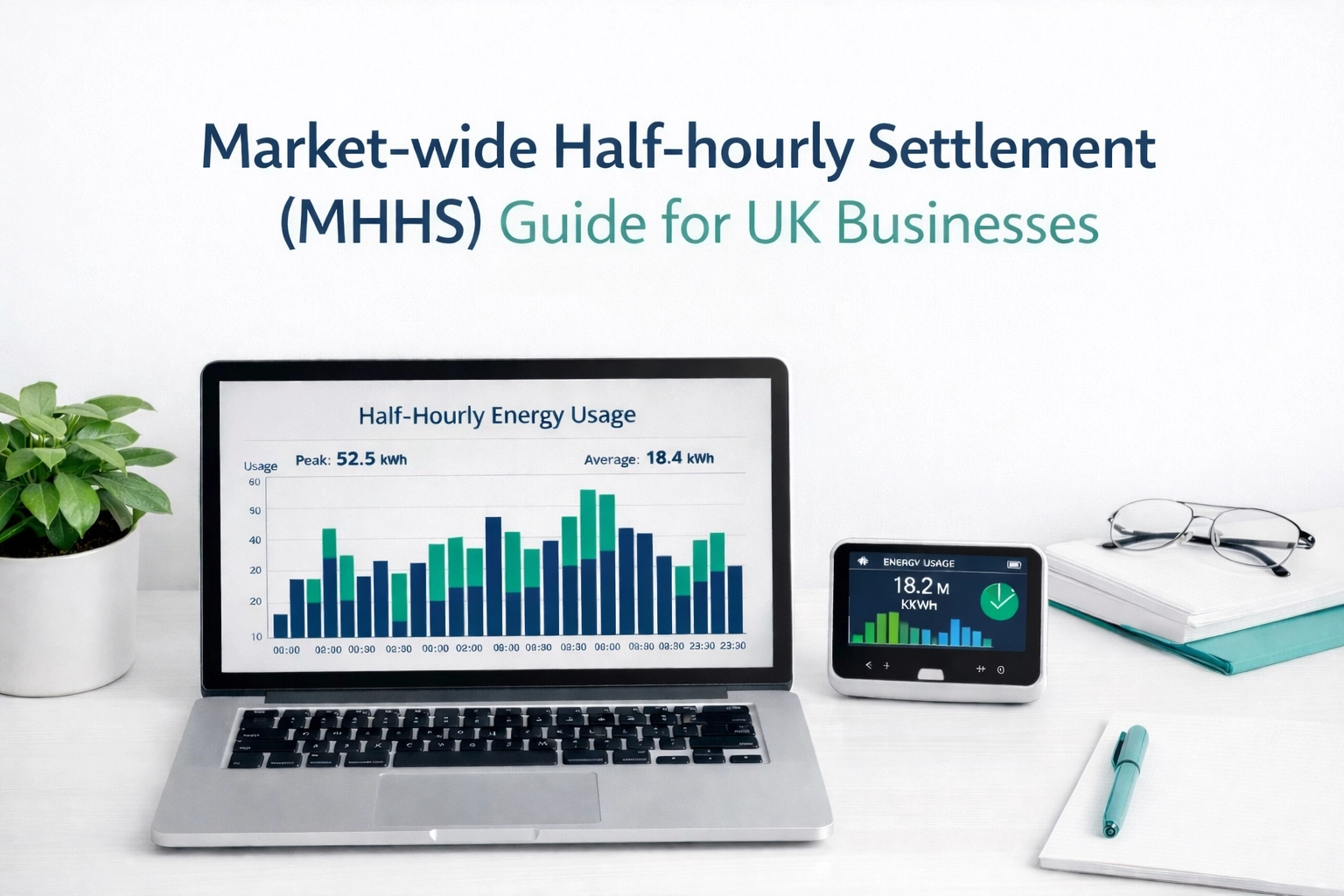
Quick answers that people actually want to know
If you're skimming, here's the gist.
MHHS is a UK-wide change that settles electricity usage using half-hourly (30-minute) meter data, rather than broad estimates. It's not optional either. It's a mandatory market migration.
Most businesses will not need to do anything because your supplier handles the behind-the-scenes changes. Still, it's worth understanding what it is, especially if you're renewing soon.
Will it change your bills. The main aim is more accurate billing, and it also opens the door to new tariff options, including Time of Use pricing.
What is MHHS?
Market-wide Half-Hourly Settlement (MHHS) is a mandatory reform that changes how every business in the UK is billed for electricity.
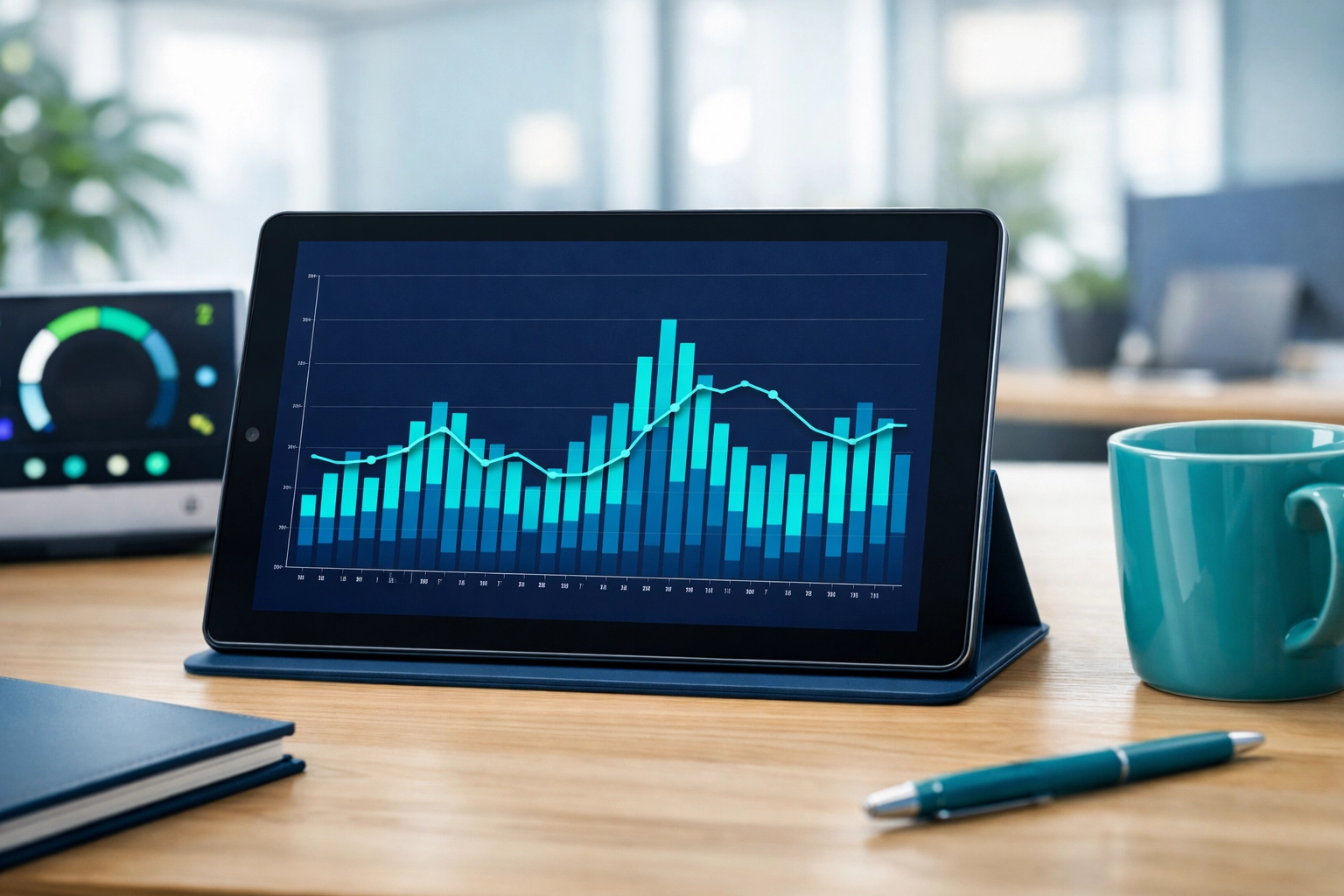
Instead of estimated bills based on your business profile or occasional meter readings, MHHS means your electricity consumption is recorded every 30 minutes. Your supplier receives accurate data showing exactly when and how much electricity you're using throughout each day.
This is a fundamental shift from the old system where suppliers had to guess your consumption patterns and buy energy based on estimates. Those estimates often meant suppliers were buying too much or too little energy, creating inefficiencies that ultimately affected pricing.
Why is this change happening?
The UK energy grid is transforming to support the country's Net Zero targets, and the old billing system simply wasn't built for that future.
Here's the problem the old system created. Renewable energy sources like wind and solar are brilliant for the environment, but they're unpredictable. The grid needs accurate, real-time data to balance supply and demand when renewable generation fluctuates.
With half-hourly data from every business, grid operators can predict and manage demand far more effectively. This makes it easier to integrate renewable sources and reduce reliance on fossil fuel backup generation.
The MHHS programme estimates this reform will deliver between £1.6 billion and £4.5 billion in benefits to the UK economy over the next two decades. That's not just environmental benefits, it's real cost savings from a more efficient energy system.
What MHHS means for your business
The implications for your business are actually quite positive, even though change can feel uncertain.
Accurate billing without estimates. You'll receive bills based on your actual consumption, recorded every 30 minutes. No more unpleasant surprises when your annual meter reading reveals you've been undercharged for months. You'll see exactly what you're using and when.
Better visibility of your energy patterns. The half-hourly data gives you a clear picture of your consumption throughout the day. You might discover that certain equipment is using more energy than expected, or that your peak usage times are costing you more than necessary.
Access to Time of Use tariffs. This is where the real opportunity lies. With accurate half-hourly data, suppliers can now offer tariffs where electricity costs different amounts depending on the time of day. We'll explain more about this below.
Do you need a smart meter
Yes, smart meters are essential for MHHS to work.
Smart meters automatically send half-hourly readings to your supplier, providing the accurate data that makes this whole system possible. Without a smart meter, there's no way to capture consumption every 30 minutes.
The good news is that if you don't already have one, your supplier will arrange installation as part of the MHHS rollout. This is a mandatory migration, so suppliers are managing the process to ensure every business is equipped.
If you're considering switching your business electricity supplier, it's worth checking whether they'll install a smart meter as part of your new contract. Many suppliers are prioritising smart meter installations to comply with MHHS requirements.
When is this happening
The rollout is happening right now.
The mandatory migration began in October 2025, and suppliers must transition all meters by May 2027. Since we're in February 2026, many businesses are already in the transition process, though timing varies depending on your supplier and location.
You don't need to take any action. Your supplier is required to manage your transition behind the scenes. The change should be seamless, with no disruption to your electricity supply.
That said, it's worth being proactive. Understanding MHHS now means you can start thinking about how to take advantage of the opportunities it brings, particularly when it comes to Time of Use tariffs.
What are Time of Use tariffs
Time of Use tariffs are pricing structures where electricity costs different amounts depending on when you use it.
Think of it like train tickets. Just as off-peak train travel is cheaper because there's less demand, electricity during off-peak hours costs less because there's lower demand on the grid.
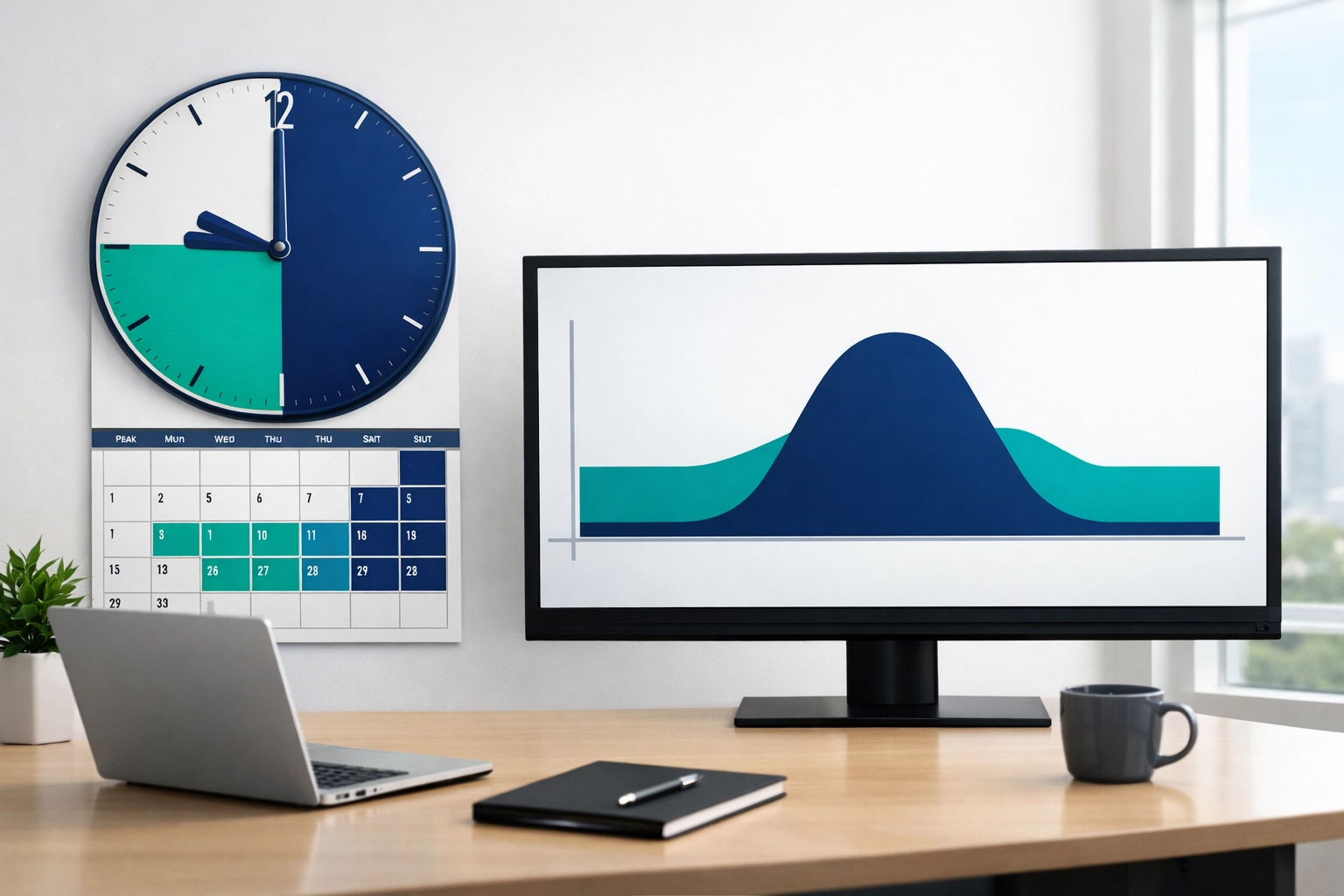
Here's how it works for your business. Peak times (typically weekday afternoons) cost more because demand is high. Off-peak times (evenings, weekends, overnight) cost less because fewer businesses are operating.
If you can shift some of your energy-intensive operations to off-peak hours, you could significantly reduce your electricity costs. For example, running equipment overnight, scheduling heating or cooling systems more strategically, or timing production processes around cheaper rate periods.
The half-hourly data from MHHS makes these tariffs possible because suppliers can accurately measure exactly when you're consuming electricity.
How businesses can prepare
While the technical transition is automatic, there are practical steps you can take to benefit from MHHS.
Review your energy consumption patterns. Once you have access to half-hourly data, take time to understand when your business uses the most electricity. Look for patterns you might not have noticed before.
Consider operational flexibility. Ask yourself whether any processes could be shifted to off-peak times without disrupting your business. Even small changes can add up to meaningful savings.
Explore Time of Use tariffs. When it's time to renew your business electricity contracts, ask suppliers about Time of Use options. Compare whether the potential savings justify any operational adjustments you'd need to make.
Keep your smart meter maintained. Your smart meter needs to work properly to provide accurate data. If you notice any issues, contact your supplier promptly.

The bigger picture for UK businesses
MHHS represents a shift towards a smarter, more flexible energy system that benefits businesses of all sizes.
For small businesses, it means fairer billing and the chance to reduce costs through smarter energy use. For larger operations with more flexibility to shift consumption, the savings potential is even greater.
The reform also supports the UK's transition to renewable energy, which ultimately means a more stable and sustainable energy future. As renewable capacity grows, the grid becomes less reliant on expensive fossil fuel generation, which should help moderate long-term price increases.
We're committed to helping you navigate these changes and find business energy solutions that work for your specific situation.
Making MHHS work for you
The important thing to remember is that MHHS is designed to give you more control, not less.
You'll have clearer visibility of your energy costs, accurate billing without estimates, and access to tariff structures that reward flexible energy use. These are genuine opportunities to manage your electricity costs more effectively.
As the rollout continues through 2027, we're here to help you understand your options and make informed decisions about your business electricity switch when the time comes.
If you'd like to discuss how MHHS affects your specific business or explore your options for competitive business electricity contracts, our team is ready to help. We'll explain everything clearly, compare your options, and support you every step of the way.
