
 Five Star Customer Service
 Stress Free Switching
 Utility Management
 Competitive Prices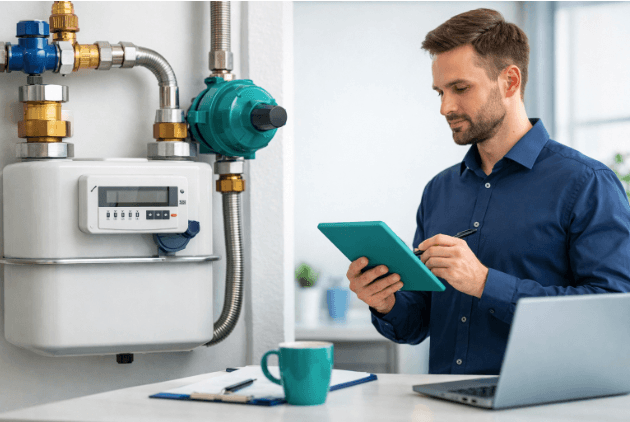
How a standard diaphragm meter measures gas
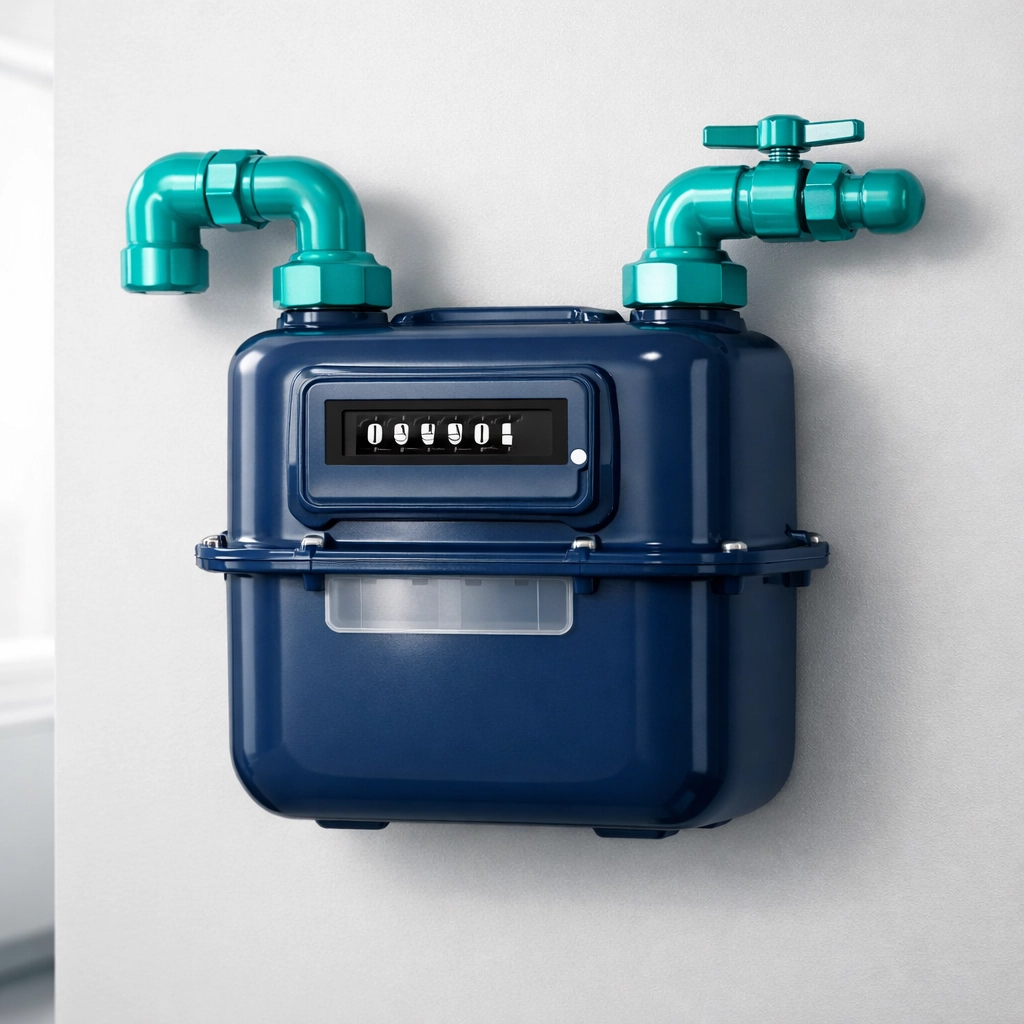
The diaphragm meter is the most common type of gas meter found in small to medium sized businesses across the UK. You might recognise it as the classic white or grey box. Inside this unit there are several internal chambers separated by flexible diaphragms. These act a bit like a pair of bellows or human lungs.
As gas enters the meter it fills one chamber and forces the diaphragm to move. This movement pushes gas out of another chamber and into your internal pipework. Each time a chamber fills and empties the meter records a specific volume of gas. This mechanical motion is linked to a series of gears that turn the numbers on your display.
These meters are incredibly reliable because they rely on simple physics rather than complex electronics. They are designed to last for decades without needing much maintenance. Because they measure the actual physical volume of the gas they are very accurate at the lower flow rates typically seen in shops or offices.
The display on a diaphragm meter can be digital or analogue. Older models use a series of dials that look like small clocks while newer ones show a simple row of numbers. Regardless of the display the mechanical process inside remains the same. It is a robust way to ensure that you only pay for the gas that physically passes through the unit and into your appliances.
Rotary and turbine meters for high usage sites
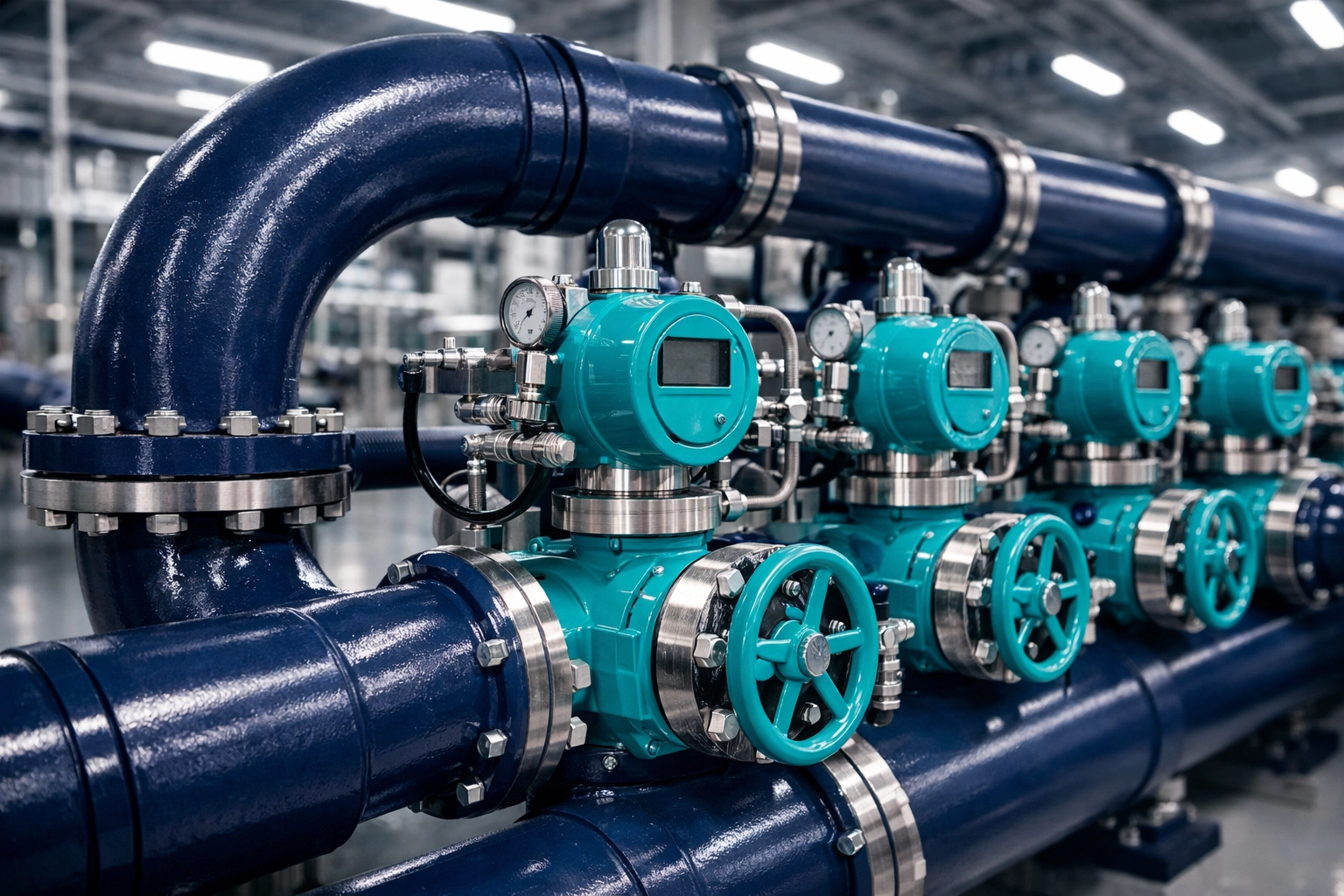
When a business requires a massive amount of energy the standard diaphragm meter simply cannot keep up. High volume users like large factories or commercial laundries need meters that can handle high pressure and rapid flow rates without breaking or becoming inaccurate. This is where rotary and turbine meters come in.
A rotary displacement meter uses two machined rotors shaped like the figure eight. These rotors spin in opposite directions as gas passes through the meter. Each rotation traps and releases a specific volume of gas. These are preferred for large businesses because they can handle fluctuating loads very well. They are compact compared to the amount of gas they can process which makes them ideal for tight plant rooms.
Turbine meters work on a different principle entirely. They contain a small turbine wheel that spins as the gas flows past it. The speed of the spinning wheel is directly proportional to the velocity of the gas. By measuring how fast that wheel turns the meter calculates the volume of gas consumed. These are usually found in the largest industrial settings where gas flow is constant and very high.
The following table compares these common meter types to help you identify what might be installed at your premises.
| Meter Type | Best For | Mechanism |
|---|---|---|
| Diaphragm | Small to medium businesses | Flexible bellows |
| Rotary | Large commercial sites | Interlocking rotors |
| Turbine | Heavy industrial use | Spinning blades |
Smart meters and AMR technology
The biggest headache for many business owners is the estimated bill. This happens when your supplier does not have an up to date reading and takes a guess at your usage. Often these guesses are higher than your actual consumption which affects your cash flow. Smart meters and Automated Meter Reading (AMR) technology solve this problem.
A smart meter is a digital device that communicates directly with your energy supplier. It sends your usage data over a secure wireless network on a regular basis. This means your bills are always based on exactly what you have used rather than an estimate. It also gives you access to detailed data about when your business uses the most gas which is helpful if you are trying to cut back.
AMR technology is slightly different. It often involves a small device called a data logger being attached to your existing mechanical meter. The logger “reads” the pulses or rotations of the meter and transmits that data to the supplier. This is a popular option for larger businesses that already have expensive rotary or turbine meters and do not want to replace the whole unit.
Using this technology makes it much easier to perform a business gas price comparison. When you have accurate data about your annual consumption you can get much more precise gas quotes for business. You are no longer relying on old bills that might have been based on inaccurate estimates.
- Smart meters provide real time data and remove the need for manual readings.
- AMR devices can be retrofitted to older meters to give them digital capabilities.
- Accurate data helps you find better deals when you compare business gas prices.

Why your meter size affects your daily standing charge
Every business gas bill is made up of two main parts. You pay for the units of gas you use and you pay a daily standing charge. The standing charge is a fixed fee that covers the cost of maintaining the gas network and the physical meter at your property. Many people do not realise that the physical size of the meter dictates how much this daily fee will be.
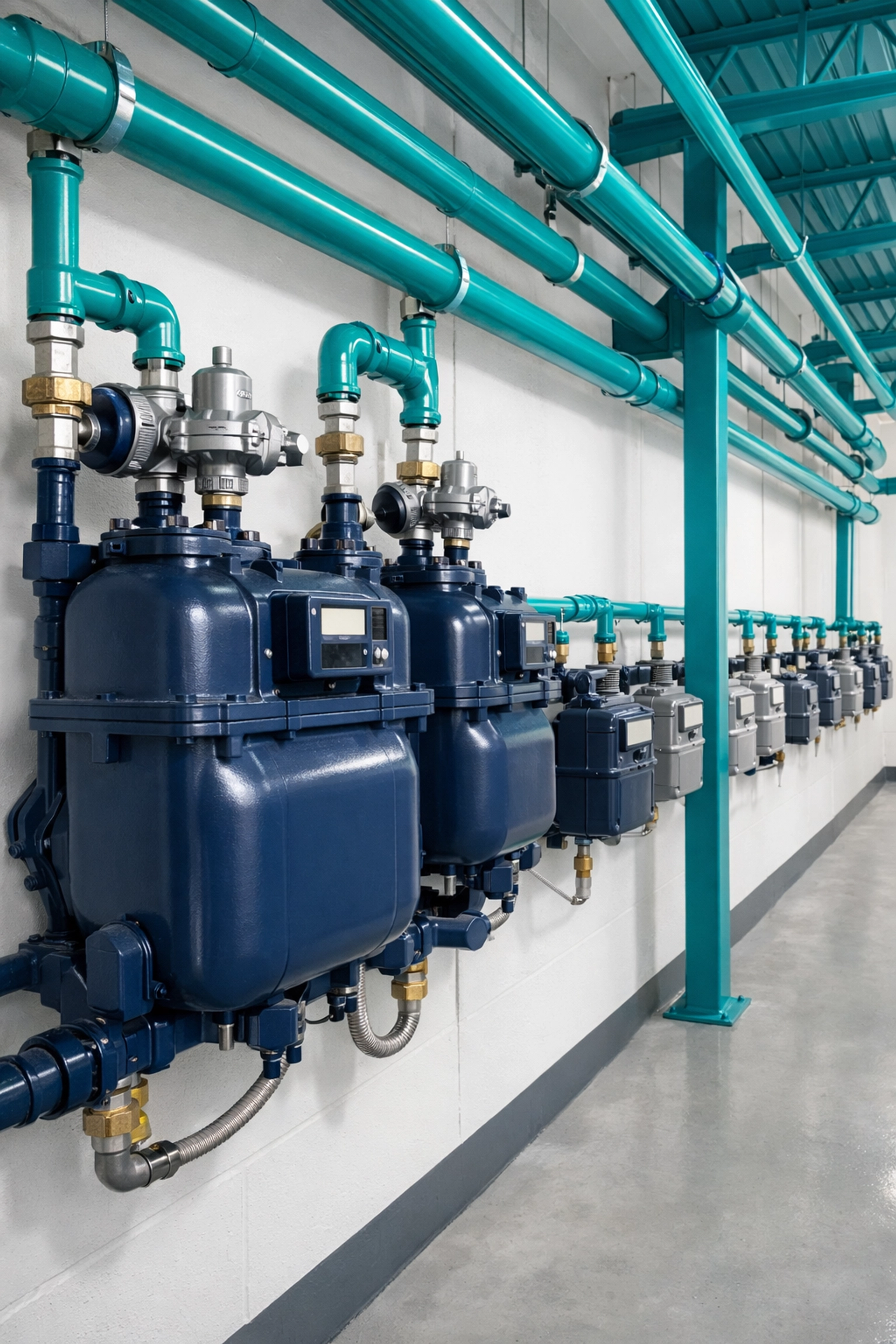
Meters are classified by their capacity to flow gas. This is usually marked as a “U” or “G” rating on the front of the unit. A standard small business might have a U6 meter which is designed to handle a typical amount of gas for heating and hot water. As the number increases the meter gets larger and can flow more gas.
Suppliers charge more for larger meters because they represent a greater demand on the local network. If you have a massive industrial meter the network must be capable of providing that much gas at any moment. You pay for that potential capacity even on days when you are not using much energy.
If you find that your standing charge is very high it might be because your meter is oversized for your current needs. This sometimes happens if a building used to be a large restaurant but has been converted into a small shop. Checking your meter size is a vital part of the process when you compare business gas prices.
Check the badge on your meter for a code like U6 or U16. If your business has downsized but you are still paying for a large meter you could potentially save money on your standing charge by having a smaller meter installed.
Your meter counts cubic metres, but suppliers bill in kWh — our cubic-metres-to-kWh conversion explainer shows the step that turns a meter read into a bill line.
Key takeaways
- Diaphragm meters are the standard for most small businesses and use a mechanical bellows system.
- Large industrial sites use rotary or turbine meters to handle high pressure and high volume gas flow.
- Smart meters and AMR technology automate data collection to ensure you receive accurate bills.
- The U rating on your meter identifies its size and capacity which directly impacts your daily standing charge.
- Accurate meter readings are essential for getting the best results from a business gas price comparison.
- Check your meter type before requesting gas quotes for business to ensure you get the most relevant tariffs.
Knowing how your gas meter works gives you more control over your overheads. It allows you to spot errors on your bill and understand why your standing charge might be higher than a neighbouring business. Once you are comfortable with your meter type and your actual usage data you will be in a much stronger position to manage your energy budget. For more help making sense of your energy costs you can read our guide on how to understand your business gas bill to see where your money is really going.